According to recent reports, the possibility has emerged that the U.S. Securities and Exchange Commission (SEC) may introduce an “innovation exemption” for the trading of tokenized stocks. This move is viewed as a deregulation measure aimed at promoting financial innovation through blockchain technology. However, it has been reported that several officials within the SEC oppose this decision, indicating a cautious stance.Additionally, Securitize, a major tokenization platform, has pointed out the potential risks associated with third-party platforms issuing tokenized stocks. This news raises important questions regarding the appropriate regulatory approach in the digital asset sector, particularly the balance between innovation and investor protection.These developments in the U.S. could also impact global digital securities markets and regulatory environments. We will provide a detailed explanation of this news so that it serves as a useful resource for working professionals in Japan interested in crypto to better understand future market trends.
What Is an “Innovation Exemption”?
An “innovation exemption” refers to a system that temporarily exempts new technologies or business models from certain existing regulations. Its purpose is to lower barriers to the market entry of innovative services and promote growth.
This exemption, which the U.S. Securities and Exchange Commission (SEC) is reportedly considering, is expected to apply to the trading of tokenized stocks. While the specific details are still unclear, it has the potential to make the distribution of digital securities more flexible.
However, it is important to note that such exemptions are typically subject to certain conditions and time limits; they do not constitute an unlimited relaxation of regulations.
Overview of Tokenized Stock Trading
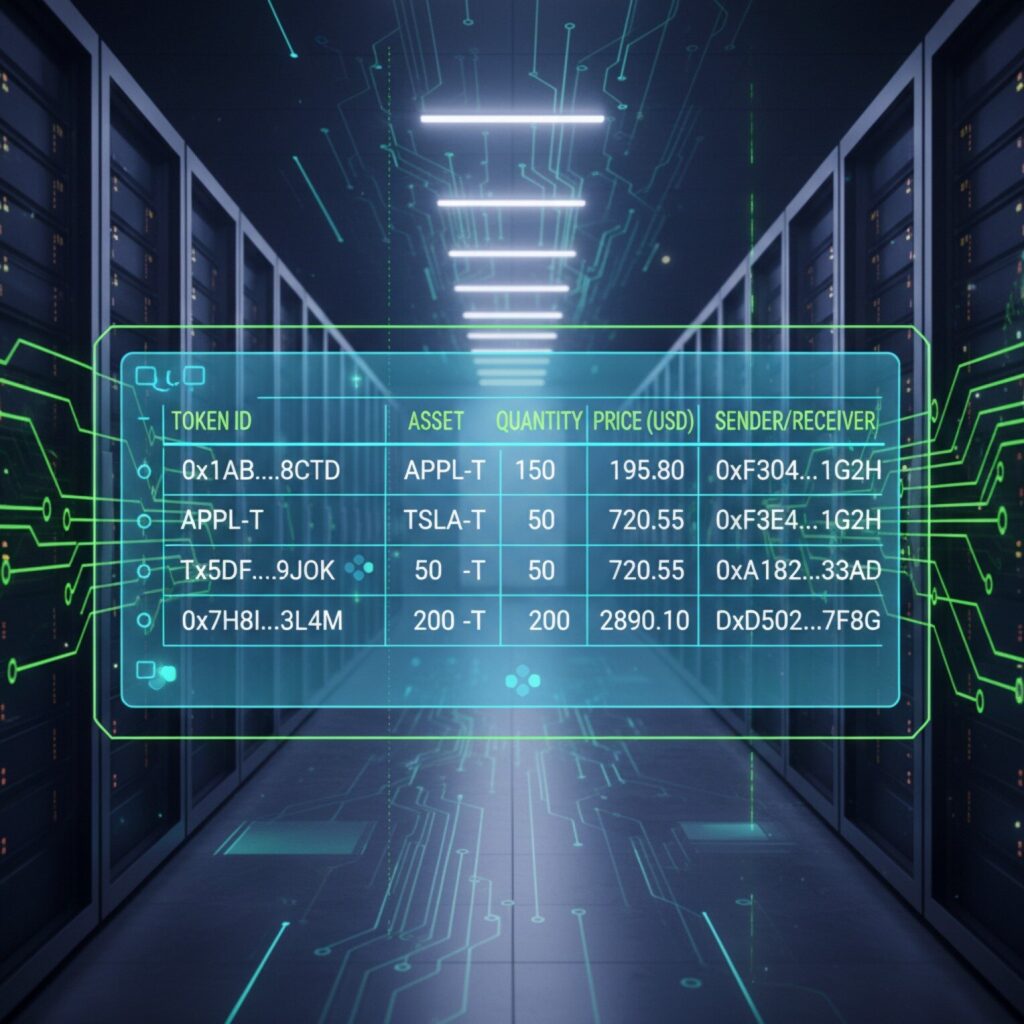
Tokenized shares are existing shares that have been digitized using blockchain technology and issued as tokens. As a result, share ownership and transaction history are recorded on the blockchain.
This technology holds the potential to enhance transaction transparency (where transaction histories are made public and accessible to anyone) and efficiency. It is also expected to facilitate the division of shares into smaller units, thereby making them accessible to a wider range of investors.
On the other hand, there are challenges that need to be addressed, such as technical complexity and compatibility with existing financial systems.
Divergent Views Within the SEC
It has been reported that several SEC officials oppose the current consideration of this “innovation exemption” (Source). This highlights the dilemma that regulators constantly face.
How can the regulator reconcile its mission to promote innovation with its critical duty to protect investors? Striking this balance is a constant subject of debate.
The opposition is believed to stem from concerns regarding the risk assessment of new financial products and their compatibility with the existing regulatory framework. This situation calls for careful deliberation.
Risks Pointed Out by Securitize
Securitize, a major tokenization platform, has highlighted the risks associated with third-party platforms issuing tokenized shares (Source). Securitize is a company that issues and manages digital securities.
The company is concerned that, with a wide variety of issuers, standards for security (protection against data leaks and unauthorized access) and compliance (adherence to laws and regulations) could become ambiguous.
Furthermore, from the perspective of investor protection, the reliability of the issuing platform and its response mechanisms in the event of a problem are critical. Appropriate measures to address these risks are essential.
Implications for Japan’s Digital Securities Market
Developments at the U.S. SEC have a significant impact on the global digital securities market. In Japan as well, legal frameworks for digital securities (security tokens) are being established, and the market is expanding.
Under Japan’s Financial Instruments and Exchange Act, digital securities are regulated as “electronically recorded transferable securities and related rights.” The trend toward deregulation in the U.S. could influence future regulatory discussions in Japan.
However, since regulatory environments vary by country, the U.S. model cannot be applied directly to Japan. Careful consideration tailored to each country’s specific circumstances is essential.
Future Outlook and Challenges
Tokenized stock trading is a technology that brings new possibilities to financial markets. However, clarifying regulations is essential for its widespread adoption.
Establishing an appropriate regulatory framework to protect investors while reaping the benefits of technological innovation is a common challenge facing regulatory authorities worldwide.
Attention will continue to focus on the SEC’s actions and the views of industry stakeholders such as Securitize. Continuous dialogue is essential for the sound development of the digital asset market.
[Source: Original Article]