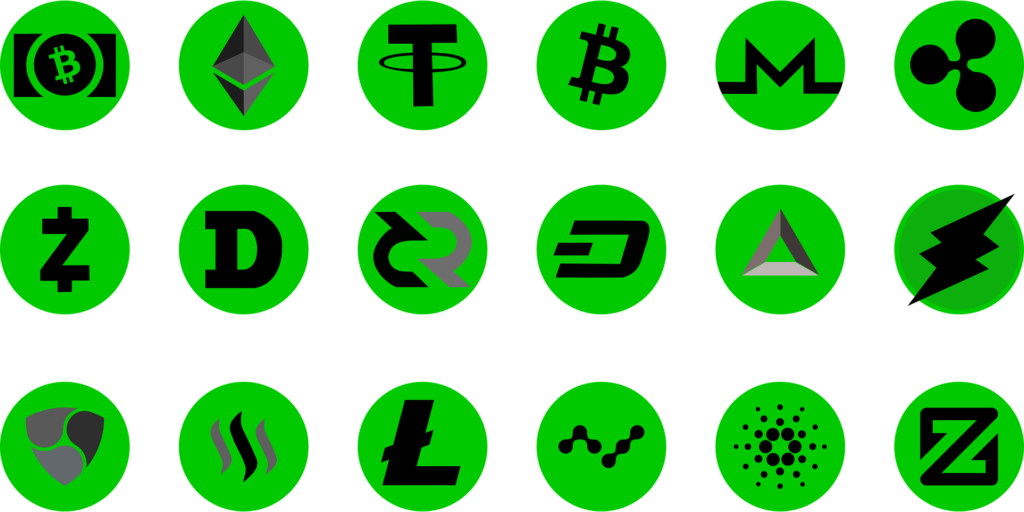

The following is a brief overview of the major categories of crypto assets and their characteristics. However, regarding trading volume and market capitalization,
- Cryptocurrencies:
- Bitcoin (BTC): The first crypto asset. It was introduced in 2009 as a peer-to-peer electronic cash system.
- Litecoin (LTC): Debuted in 2011 as a fork of Bitcoin. It is characterized by fast transaction confirmation times.
- Smart Contract Platforms:
- Ethereum (ETH): A smart contract platform introduced in 2015. It can host DApps and other tokens.
- Binance Smart Chain (BSC), Cardano (ADA), Polkadot (DOT), Solana (SOL), etc.: Other smart contract platforms inspired by Ethereum. Each has its own unique characteristics and advantages.
- Stablecoins:
- Characterized by price stability. Many are pegged to $1.
- USDT (Tether), USDC (USD Coin), DAI: Examples of major stablecoins. Their value is stabilized through reserves or algorithms.
- Privacy Coins:
- Monero (XMR), Zcash (ZEC): Coins designed to keep transaction details private.
- DeFi Tokens:
- Uniswap (UNI), Chainlink (LINK), Aave (AAVE): Tokens used in decentralized finance (DeFi) projects. Each has its own unique functions and roles.
- NFT tokens:
- Flow, Enjin (ENJ): Platforms and tokens designed to support NFTs.
- Other tokens:
- Ripple (XRP): A token designed for real-time interbank transfers.
For trading volume and market capitalization, you can check real-time information on websites such as CoinMarketCap and CoinGecko. These sites provide a wealth of relevant information, including trading volume, market capitalization, and price fluctuations for crypto assets.