- The Emergence of Bitcoin:
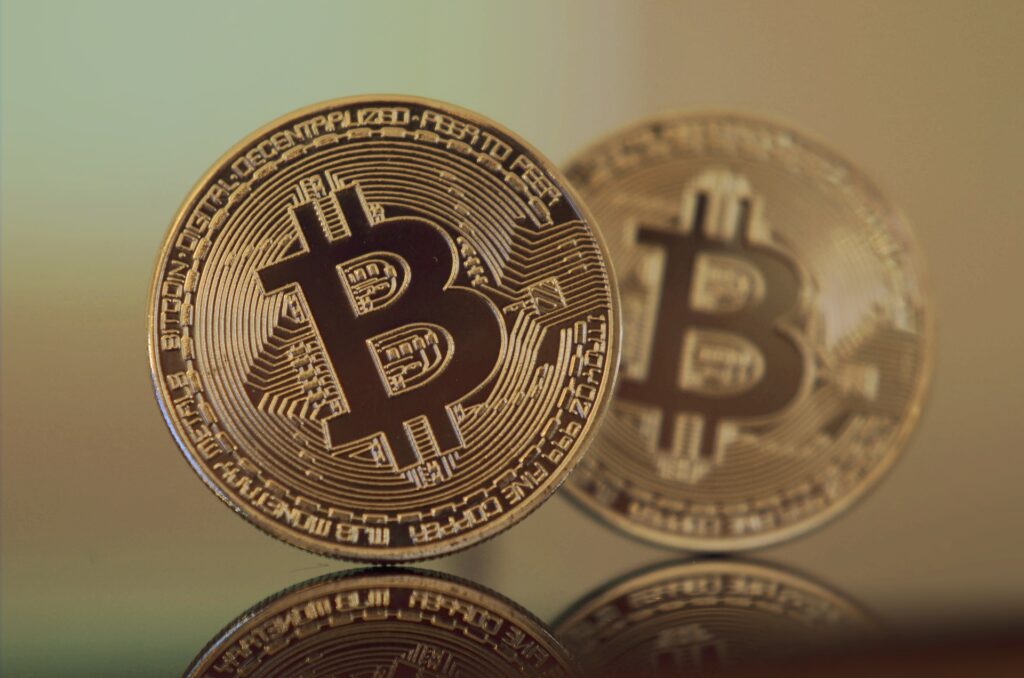
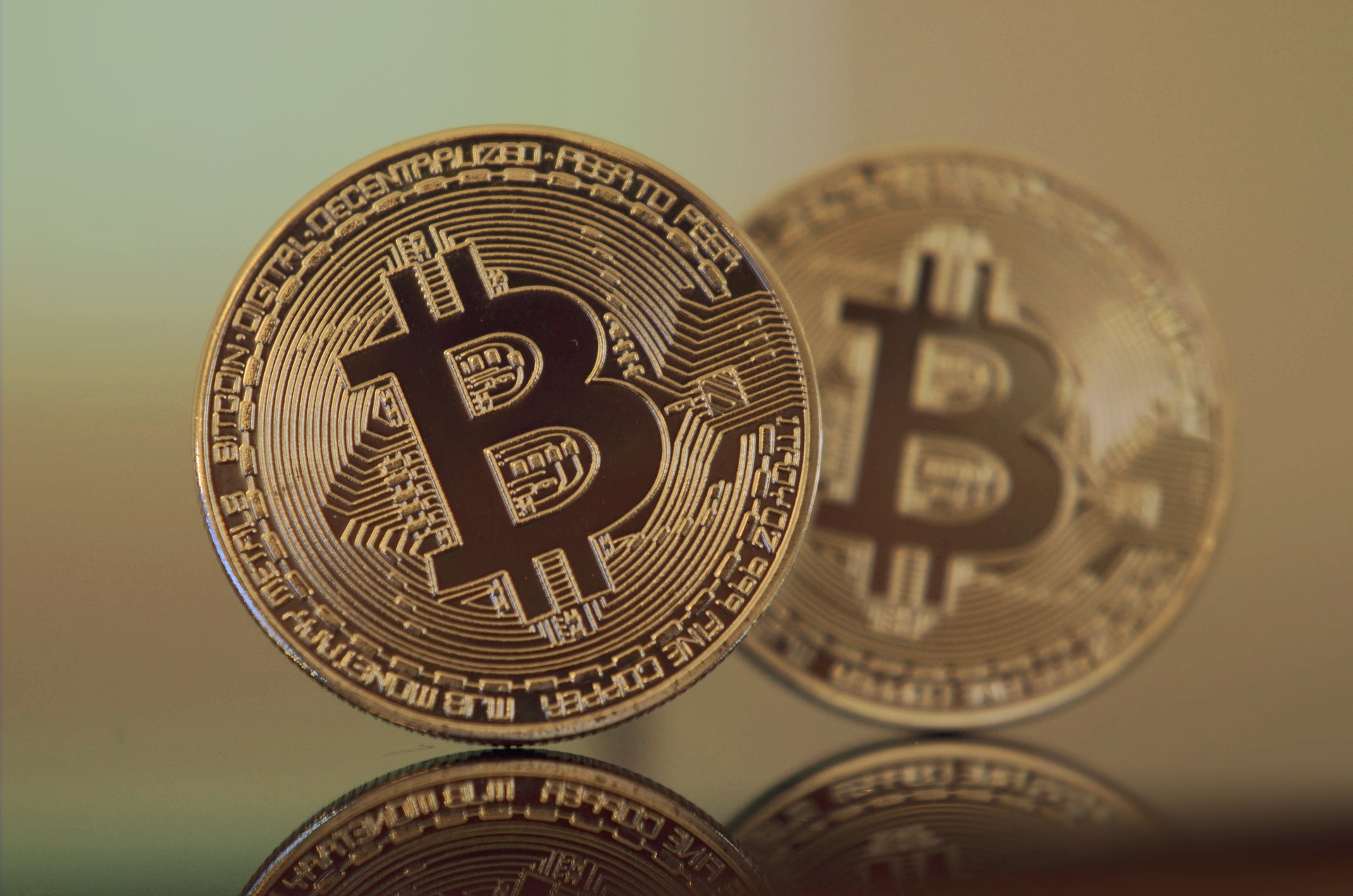
- In 2008, Satoshi Nakamoto published a paper titled “Bitcoin: A Peer-to-Peer Electronic Cash System.” In this paper, he proposed a peer-to-peer electronic currency system that does not require a central authority. In 2009, the Bitcoin software was released, and the first block (the Genesis block) was mined.
- The Rise of Altcoins:
- Since 2011, many altcoins based on Bitcoin’s code have emerged. These include Litecoin (which offers faster transaction confirmations) and Namecoin (a decentralized domain name system).
- Ethereum and Smart Contracts:
- Vitalik Buterin proposed Ethereum to build a platform with greater flexibility than Bitcoin. Ethereum supports “smart contracts”—automatically executed contracts. This has enabled the development of programmable financial transactions and DApps (decentralized applications).
- The ICO Boom:
- In 2017, ICOs using Ethereum became extremely popular. This is a method by which new projects issue their own tokens to raise funds. However, as fraudulent ICOs also increased, regulations were tightened in many countries.
- Regulatory Trends:
- In 2017, China banned ICOs, and regulations regarding crypto assets have continued to increase since then. Meanwhile, Japan has been developing its regulatory framework, including the introduction in 2017 of a system to grant licenses to crypto asset exchange operators.
- The Emergence of DeFi:
- In 2020, decentralized finance (DeFi) garnered significant attention. DeFi enables traditional financial functions on the blockchain, and projects such as Uniswap and Compound experienced rapid growth.
- The NFT Boom:
- In 2021, NFTs (non-fungible tokens) garnered significant attention. It became common for artists and musicians to sell digital art and music as NFTs.
- Layer 2 and Scalability:
- To address issues with Ethereum’s transaction costs and processing speed, Layer 2 solutions (e.g., Optimism, zk-Rollups) were developed. This has made it possible to significantly improve transaction processing speed and reduce costs on Ethereum.
As such, the world of crypto assets is changing rapidly. While new technologies and concepts continue to emerge, the sector can also be significantly impacted by regulations and market trends.